
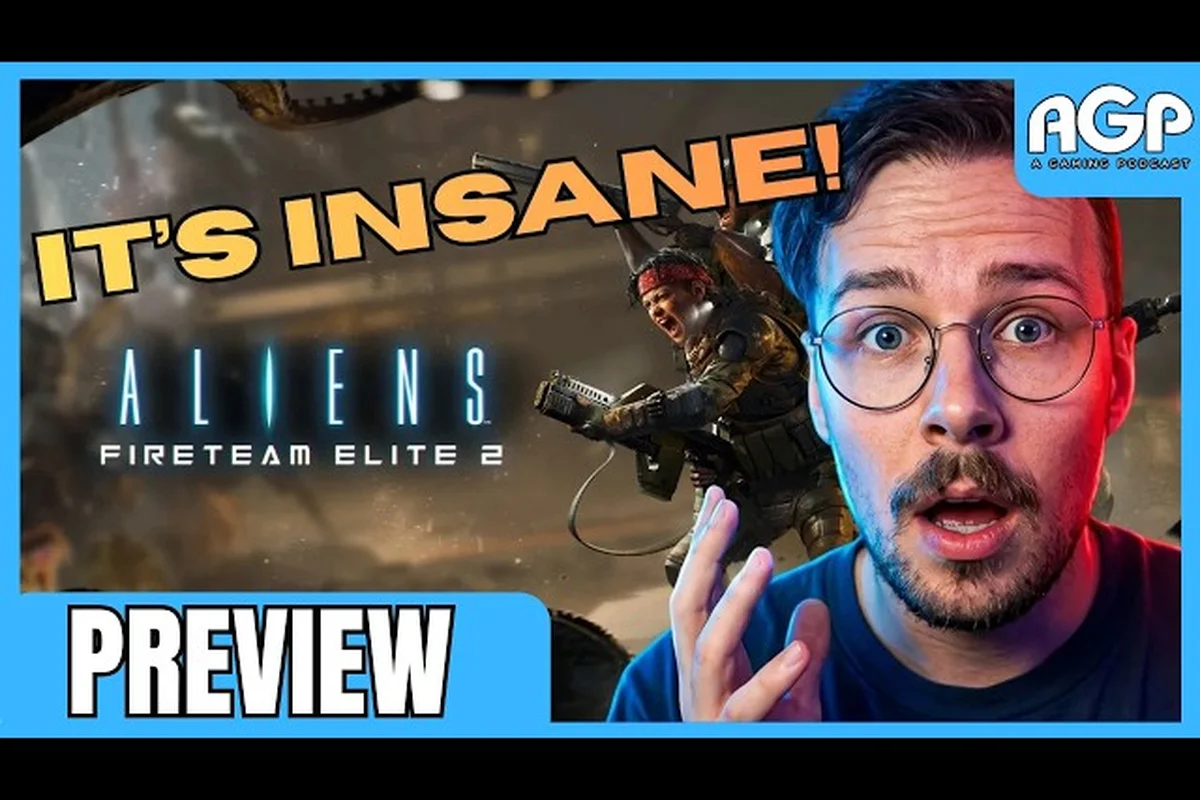
The first wave of hands-on previews for Aliens Fireteam Elite 2 paints a picture of a sequel that trades the original's three-player fireteam for a chaotic four-player co-op experience, and early impressions suggest the shift was worth the wait. With the launch review cycle already heating up ahead of the August 25, 2026 release date, players are eager to know whether Cold Iron Studios' ambitious expansion delivers on its promise of smarter xenomorphs and quadrupled enemy counts. Get the latest breakdown of gameplay impressions, the Daybreak acquisition news that reshaped the studio's future, and every confirmed detail about pricing and edition options before you pre-order.
First Look at the Aliens Fireteam Elite 2 Launch Review Consensus
Early preview coverage from major gaming outlets, including a detailed hands-on report from PC Gamer, reveals a consistent theme: the move to four-player co-op fundamentally changes the tactical rhythm of the game. Director Chris Cross reportedly told journalists that the team faced the challenge of quadrupling assets and enemy counts while making the AI smarter, more aggressive, and more responsive to player tactics, and that ambition shows in every preview build that has been shown so far.
The launch review consensus among the media who have gone hands-on is that this is not merely a content patch dressed up as a sequel. Instead, it seems Cold Iron has rebuilt the combat sandbox around the idea of a denser, more mobile fireteam. The new xenomorph variants don't just rush in straight lines; they flank, they climb, and they coordinate attacks in ways that force teams to break formation and adapt on the fly. Veteran players will recognize the core loop of the first game, but the pacing feels noticeably faster and more demanding.
Here are the headline takeaways from the first wave of previews, which have been largely positive, highlighting the game's refined combat, improved visuals, and deeper cooperative mechanics. Early impressions suggest the sequel builds on the original's strengths while addressing community feedback, though some previews note that the core loop remains familiar, with a focus on intense firefights and strategic class synergy.
-
Four-player fireteams add a new layer of synergy, with dedicated support classes becoming more viable than ever before.
-
Enemy AI has been overhauled; swarms now react to your positioning and split up to cut off escape routes.
-
Six playable classes (Marauder, Duelist, Machinist, Hunter, Medic, Specialist) offer distinct roles that reward experimentation.
-
15 campaign missions across four biomes promise a substantial single-player or co-op campaign experience at launch.
-
Crossplay with voice chat is confirmed for day one, making it easy to squad up with friends on any platform.
Because the preview code was limited to specific campaign missions and a slice of the horde mode, the community is still forming a full picture. However, the early Aliens Fireteam Elite 2 news cycle strongly suggests that Cold Iron has cracked the code on making co-op chaos feel intentional rather than overwhelming.
Cold Iron Studios and the Daybreak Acquisition News
One of the biggest storylines surrounding the game's development has little to do with the gameplay itself. The Aliens Fireteam Elite 2 Daybreak acquisition of Cold Iron Studios sent ripples through the community when it was announced, as players wondered whether the change in ownership would impact the sequel's creative direction or release timeline.
The acquisition news matters to players for a few practical reasons, primarily because it signals a more stable financial backing and a clearer commitment to long-term support. This shift means that the development team can focus on delivering content without the constant pressure of studio closures or funding gaps, which were concerns for the first game's lifespan. It also opens the door for better marketing reach and potential cross-promotions.
Live service confidence
Daybreak's experience with long-running live games, such as their work on titles like H1Z1 and EverQuest II, suggests the post-launch content roadmap for Fireteam Elite 2 has a higher chance of being fulfilled. Their track record with seasonal updates and player retention strategies indicates a more structured approach to content delivery, reducing the risk of abandoned features or delayed patches that plagued the original's early months.
Server infrastructure
A larger publisher means better server capacity for crossplay, which was a pain point in the first game's early days, often leading to matchmaking errors and lag spikes. With Daybreak's infrastructure, players can expect more stable connections across PC, PlayStation, and Xbox platforms, ensuring smoother co-op sessions. This improvement is critical for a game that relies heavily on synchronized team play, where even minor latency can disrupt the flow of combat.
Licensing security
The Aliens license involves multiple parties, including 20th Century Studios and other rights holders, and having a dedicated publisher can smooth over legal hurdles that sometimes delay content drops. In the past, licensing approvals could stall cosmetic items or story expansions, but Daybreak's established relationships with these entities likely streamline the process. This means players may see more frequent and varied updates, from new weapons to narrative missions, without extended waiting periods. As of the latest Aliens Fireteam Elite 2 update from the developer, the transition has not caused any visible disruption to the launch schedule. The game remains on track for its confirmed release date, and the studio has made clear that the Daybreak partnership gives them a stronger foundation to support the game for years, not just months.
Aliens Fireteam Elite 2 Editions Breakdown and Value
When it comes to the Aliens Fireteam Elite 2 price, the publisher has positioned the game competitively against other AAA co-op shooters. The standard edition is set at $49.99 USD, which undercuts many contemporaries while still promising a full campaign experience. But the pricing structure doesn't stop there, as the team has Confirmed multiple editions that cater to different spending preferences and commitment levels.
The breakdown below reflects the confirmed details from the official Steam store page and the game's website, and it matches what the community has been sharing across forums and social media. This includes specifics on the three playable classes, the new "Horde" mode, and the expanded customization options for weapons and gear. The information aligns with datamined files and developer Q&A sessions, providing a reliable foundation for planning your initial playthrough.
| Edition | Price | Key Inclusions |
|---|---|---|
| Standard Edition | $49.99 | Base game, all four biomes, crossplay access |
| Premium Edition | $69.99 | Base game plus two post-launch DLC mission packs |
| 40th Anniversary Edition | $89.99 | Premium content plus exclusive weapon skins and armor sets |
The price gap between the Standard and Premium editions is exactly $20, which is a reasonable mark-up considering the DLC mission packs are expected to retail for $15 each if purchased separately. The 40th Anniversary Edition leans heavily into collector appeal, offering cosmetic items that reference the 1986 film rather than adding new gameplay content.
Players who are looking to maximize value should note that the Premium Edition effectively gives you the DLC content at a discount. Meanwhile, the Standard Edition remains an attractive entry point for players who want to wait and see how the community receives the post-launch content before committing more money.
What Players Should Expect From Post-Launch Updates
The Aliens Fireteam Elite 2 update pipeline has been mapped out partially through developer statements and partially through datamined information that the community has shared. The team has publicly committed to a roadmap that includes seasonal events, new xenomorph variants, and additional challenge cards that modify mission parameters.
Because the Daybreak acquisition brought in additional publishing resources, the studio has been able to talk more openly about their long-term plans. While specific dates have not been locked in, the broad outline suggests the following cadence: a mix of free updates and paid expansions spread over the first year. This transparency is a welcome change from the original game's silence, giving players a roadmap to anticipate and plan their investment in the sequel.
Month 1
A free update that introduces a new horde map and quality-of-life improvements based on early feedback, such as rebalanced enemy spawn rates and improved AI pathfinding. This update is expected to arrive within the first few months post-launch, aiming to keep the base community engaged. The map will feature a unique layout, like a derelict space station, offering fresh tactical challenges for both new and veteran players.
Month 3
The first paid DLC mission pack, which expands the campaign with a new biome, likely a frozen tundra or a volcanic outpost, adding three to four new story missions. This pack will introduce new enemy variants adapted to the environment, such as cold-resistant Xenomorphs or heat-seeking drones. It's designed to deepen the narrative and provide higher-tier loot for endgame players, with a price point expected to be in the $10-$15 range.
Month 6
A seasonal event tied to major community milestones, offering limited-time cosmetics like weapon skins and armor decals. These events will likely coincide with holidays or game anniversaries, encouraging players to log in and participate in special challenges. The cosmetics are purely aesthetic, but they serve as a reward for dedicated players and a way to celebrate the game's ongoing success.
Year 2
A second paid expansion that adds a new class to the roster, potentially a "Medic" or "Engineer" archetype, with unique abilities and a distinct skill tree. This expansion is slated for later in the year, aiming to refresh the meta and encourage team composition experimentation. It will also include a new set of weapons and a short side-story, ensuring that the content feels substantial rather than a simple character addition. The Daybreak acquisition gives these plans more credibility, as the publisher has a proven track record of supporting games long after their initial release. Players who were burned by the first game's slower content cadence should find comfort in the fact that the sequel's roadmap seems far more structured from day one.
If you are planning to jump in on day one, you should also check out our comprehensive beginner guide to get a head start on class selection and loadout optimization. Additionally, the release date and edition comparison page breaks down all the pre-order bonuses and platform-specific extras in more detail.
Comparing the Sequel to the Original: Key Differences
The launch review cycle would not be complete without a direct comparison to the 2021 original, and the differences are far more substantial than the title "Elite 2" might suggest. Cold Iron Studios has addressed several of the community's major complaints while introducing new systems that change how squads approach each mission.
| Feature | Original | Sequel |
|---|---|---|
| Fireteam Size | 3 players | 4 players |
| Campaign Length | 12 missions | 15 missions |
| Playable Classes | 5 | 6 |
| Horde Mode | Included at launch | Dedicated mode with unique modifiers |
| Crossplay | Not available at launch | Day one crossplay with voice chat |
The jump from three to four players is the most consequential change, as it allows for team compositions that were previously impossible. The new Machinist class, for example, excels at deploying turrets and area-denial tools, which means a squad can now run a dedicated engineer without sacrificing a damage dealer.
Community reports also highlight the improved destructibility of the environments, which adds a vertical dimension to firefights that the original lacked. Xenomorphs can now crawl along ceilings and drop down on unsuspecting players, which keeps the tension high even in areas that seem secure.
Recommended Playstyles and Class Synergy for Launch Week
Based on the game's confirmed class roster and early impressions, certain team compositions are going to perform better than others when the game launches. The Marauder and Duelist classes serve as the aggressive front line, while the Medic and Specialist provide sustainability and situational utility. Understanding how these roles interact will save you from frustrating wipes during your first campaign run.
Your class choice should depend on how you plan to experience the game, and the table below outlines the best fits for different play styles: for solo players, the Gunner offers self-sufficiency; for cooperative teams, the Doc provides essential healing; and for aggressive players, the Demolisher excels at crowd control. Each class has distinct strengths, so consider your preferred role in a fireteam before committing.
| Play Style | Best Class | Secondary Option | Why It Works |
|---|---|---|---|
| Aggressive point man | Marauder | Hunter | High sustained damage with strong push potential |
| Support anchor | Medic | Specialist | Keeps the team alive while buffing damage output |
| Tactical gadget user | Machinist | Duelist | Turrets control space and force xenomorph repositioning |
| Recon and burst | Hunter | Duelist | Long-range elimination of high-priority targets |
The Specialist class deserves special attention because it fills a hybrid role that the original game lacked entirely. According to community testing data from the preview build, the Specialist's ability to mark targets for increased damage creates powerful synergies with the Machinist's turret placements. A coordinated team of Specialist plus Machinist can lock down a corridor with minimal exposure.
While new players should feel free to experiment with any class, the Medic remains the most valuable pick for random matchmaking because healing output is universally useful. If you are playing with a coordinated group, however, the Machinist and Specialist combination provides the highest skill ceiling for difficult missions.
For more details on system requirements and whether your rig can handle the sequel's enhanced visuals, check out our system requirements breakdown. And if you're curious about what the future holds, the DLC and roadmap overview covers everything that has been announced so far.
Frequently Asked Questions
What is the Aliens Fireteam Elite 2 Daybreak acquisition?
The Aliens Fireteam Elite 2 Daybreak acquisition refers to publisher Daybreak Game Company taking over publishing duties for the sequel while Cold Iron Studios remains the developer. This partnership provides more server infrastructure and post-launch support resources. Players have reported smoother development progress since the acquisition was finalized.
What is the Aliens Fireteam Elite 2 price for each edition?
The Aliens Fireteam Elite 2 price starts at $49.99 for the Standard Edition, while the Premium Edition costs $69.99 and includes two post-launch DLC mission packs. The 40th Anniversary Edition is priced at $89.99 and includes exclusive cosmetic items alongside the premium content.
When is the official release date for the game?
The game launches on August 25, 2026 for PC, PS5, and Xbox Series X|S platforms. Steam, Epic Games Store, and console stores all carry the game at launch. Crossplay with voice chat will be available from day one, so players on different platforms can squad up immediately.
How long is the campaign in the sequel?
The campaign consists of 15 missions across four distinct biomes, which is three more missions than the original game had. Each mission runs roughly 20-30 minutes depending on difficulty and team coordination, making the full campaign replayable across multiple playthroughs with different class compositions.
Will there be post-launch content updates?
Yes—the devs have confirmed free seasonal updates, horde mode expansions, and paid DLC mission packs. Expect the first free drop within a month of launch, with a major paid expansion landing by year one. That roadmap keeps the campaign fresh well beyond the initial review window.