
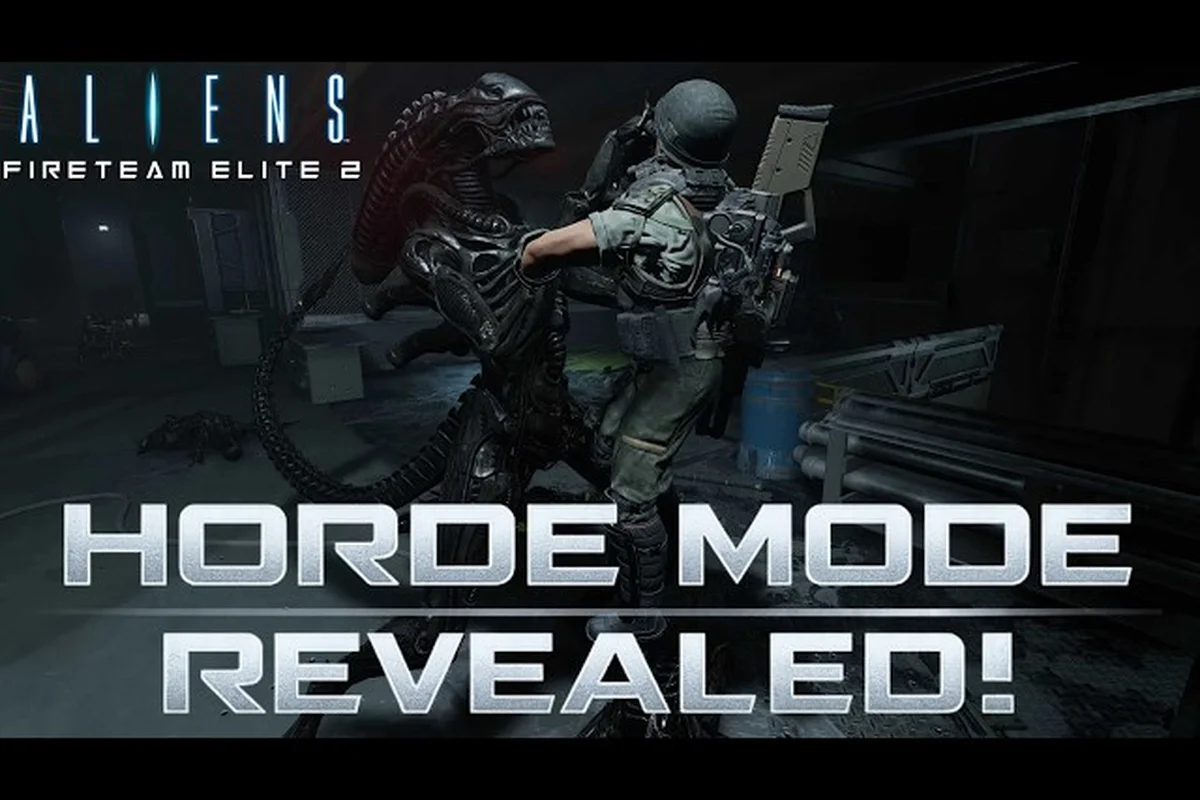
Dropping into LV-558 with three other marines for the first time is overwhelming, and these Aliens Fireteam Elite 2 tips and tricks exist to fix exactly that. The jump from the original three-player squad to a four-player fireteam changes positioning, enemy counts, and how you share aggro, so the habits you formed in the first game will only carry you so far. This early game guide focuses on the concrete decisions that separate a squad that extracts clean from one that gets overrun in the first biome, covering loadout logic, movement fundamentals, and the team routines that keep everyone alive while you learn the ropes.
Core Combat Habits That Win Firefights
The combat loop in Aliens Fireteam Elite 2 rewards marines who treat every engagement as a positional problem rather than a shooting contest. When a horde pours out of a vent, your first instinct should be to check your sightlines and your escape route, not to hold the trigger and hope. The game's smarter, more aggressive enemy AI, which PC Gamer highlighted in their preview, actively responds to player tactics, so standing in the open and trading shots with a Praetorian will end badly on Standard difficulty and worse on anything above it.
Build these three habits from mission one and they will carry you through all 15 campaign missions across the four biomes: consistent ammo conservation, proactive use of the dodge roll to break line-of-sight, and always checking your six for flanking Xenos. These core practices prevent the most common squad wipes and ensure you have the resources and positioning to handle the escalating threat levels.
-
Always keep your back to a wall or a sealed door — this cuts the angles enemies can approach from and stops flanking spawns from shredding your rear line.
-
Call out your reloads before you start them — a marine mid-reload is a marine who cannot cover a hallway, and your team needs to know when that coverage drops.
-
Fall back to the last cleared room when a wave pushes hard — fighting in a fresh, unexplored corridor means you are fighting the xenos and the map layout at the same time.
The Duelist class rewards aggressive play with its close-range toolkit, but even that class needs a disciplined team behind it. If you are running the Marauder or Machinist, your job is to hold the line while the Duelist flanks, and that only works when everyone understands their lane before the shooting starts. For a deeper breakdown of positioning and survival fundamentals, the Aliens Fireteam Elite 2 movement guide covers the advanced mobility tricks that keep you out of the kill zone entirely.
Smart Loadout Choices for Early Missions
Your class determines your role, but your weapon and attachment choices determine whether you can actually execute that role under pressure. The early game throws a lot of gear at you, and the trap is chasing raw damage numbers instead of building a loadout that handles the specific threats of each biome. Storr Boon's Mining Facility throws tight corridors and close-range ambushes at you, while later biomes open up sightlines that punish shotguns and reward precision rifles.
| Weapon Type | Best Early Mission | Why It Works | Watch Out For |
|---|---|---|---|
| Pulse Rifle | Any mission | Reliable mid-range damage, forgiving magazine size | Burns ammo fast if you spray |
| Shotgun | Mining Facility | One-shots Runners in close quarters | Useless beyond 15 meters |
| Precision Rifle | Open biomes | Picks off Spitters before they acid you | Painful when swarmed up close |
| SMG | Horde-heavy sections | Fast reload, great for panic clearing | Weak armor penetration |
Your sidearm matters more than most players give it credit for, because it is your emergency option when the primary runs dry mid-horde. Carry a pistol with a fast reload attachment and you give yourself a fighting chance during those reload windows that always seem to happen at the worst possible moment. The Medic class should prioritize a sidearm with stopping power over fire rate, because your job is to drop a single Runner that slipped through the line, not to mag-dump into a crowd.
Understanding the Six Classes
The six USCM classes each bring a distinct toolkit, and knowing which one fits your playstyle saves you hours of grinding a class that fights your instincts. The Marauder is the heavy-hitting frontline tank, the Duelist is the high-risk melee-adjacent flanker, and the Machinist brings turrets and area denial to every fight. On the support side, the Hunter marks targets and controls crowds, the Medic keeps the team upright, and the Specialist unlocks later as a hybrid that rewards players who understand the game's systems deeply.
| Class | Role | Best For | Early Game Verdict |
|---|---|---|---|
| Marauder | Frontline damage | Players who push forward | Strong starter pick |
| Duelist | Flanking burst | Aggressive veterans | High skill ceiling |
| Machinist | Area denial | Defensive thinkers | Great for holding rooms |
| Hunter | Target marking | Team players | Underrated in pugs |
| Medic | Healing support | Selfless players | Always welcome |
| Specialist | Hybrid flex | Late-game mains | Unlock later |
Your first class pick should match your natural tendencies, because forcing yourself into a role you dislike will make the early grind feel like a chore. If you want the full breakdown of each class's strengths and the unlock requirements for the Specialist, the Aliens Fireteam Elite 2 how to unlock Specialist guide walks through the progression path in detail.
Movement and Positioning That Keeps You Alive
The movement system in Aliens Fireteam Elite 2 rewards constant, deliberate repositioning rather than standing still and trading fire. Xenos close distance fast, and the smarter AI in this sequel actively flanks, so the marine who holds one angle for too long gets surrounded and pulled apart. Your goal in every fight is to keep moving between cover points while maintaining sightlines on the approach lanes, which denies the AI the predictable target it wants.
Master these movement fundamentals before you worry about advanced tech: learn to sprint only in safe corridors, use the slide to close distance on downed teammates, and practice the quick-turn to avoid Charger grabs. Proper footwork keeps you alive during horde surges and lets you control the battlefield, making advanced techniques like weapon-swap cancels far less necessary for survival.
-
Strafing is your friend — Runners telegraph their lunges, and a simple side-step dodges most melee attacks.
-
Use the environment as a weapon — choke points, doorways, and narrow ramps funnel xenos into kill zones where your whole team can focus fire.
-
Never sprint into unknown rooms — the AI punishes rushers with ambush spawns that trigger the moment you cross a threshold.
-
Jump over low obstacles — it breaks enemy tracking and buys you a second of breathing room during reloads.
The dodge mechanic is your most underused tool, because it has a short cooldown but a massive payoff when timed correctly. A well-timed dodge through a Runner's lunge puts you behind it for a free melee or point-blank shot, and it also resets enemy tracking on you, which gives your team a window to focus the threat. Practice the timing in the early missions where the pressure is lower, and you will build the muscle memory that saves you on the higher difficulties later.
Reading the Battlefield
Every encounter in Aliens Fireteam Elite 2 follows a pattern: the initial contact, the horde push, and the cleanup phase. The initial contact is when the first few xenos reveal themselves, and your team should use this window to establish positions and identify the approach lanes. The horde push is the main event, where the AI commits its numbers, and this is where your positioning and reload discipline get tested. The cleanup phase is the most dangerous, because teams get complacent and stop checking their corners while the last few xenos are still lurking.
How to Level Up Fast in Aliens Fireteam Elite 2
The progression system rewards smart play more than raw grinding, and knowing where to focus your effort saves you hours of repetitive missions. Your class levels up through experience earned in missions, but the amount of experience you earn scales with your performance metrics — kills, objective completions, and team support actions all contribute. The fastest path to leveling is not replaying the easiest mission on repeat, but running missions that match your current gear level and pushing for flawless completions that trigger bonus experience multipliers.
| Progression Method | Experience Yield | Time Investment | Best For |
|---|---|---|---|
| Story missions (first clear) | High | 20-30 min each | New players learning maps |
| Challenge cards | Very High | 15-20 min each | Veterans farming efficiently |
| Horde mode waves | Medium | 10-15 min per run | Quick sessions |
| Replaying completed missions | Low-Medium | 20-30 min each | Filling gaps between unlocks |
The challenge card system is the fastest way to level up fast, because it adds modifiers that increase both difficulty and reward. A card that makes xenos hit harder but doubles your experience gain is a great trade when your team is coordinated, and the risk-reward calculation favors running them once you understand the mission flow. The Aliens Fireteam Elite 2 horde mode guide breaks down the wave structure and the best farming strategies for that mode, which is the most time-efficient way to grind levels once you have the fundamentals down.
Spending Your Skill Points Wisely
Every class has a skill tree with meaningful choices, and the early game is where those choices shape your mid-game effectiveness. The trap is spreading points across multiple branches instead of committing to a core build that amplifies your class identity. A Marauder who invests in both damage and tanking ends up mediocre at both, while a Marauder who commits to damage becomes a threat that the AI has to respect.
Focus your first ten skill points on the branch that matches your role, then branch out once you have a solid foundation. The Medic should prioritize healing efficiency first, because a team that stays alive deals more damage than a team that dies faster. The Machinist should prioritize turret uptime, because a turret that stays in the fight longer provides more value than one that hits harder but gets destroyed quickly.
Team Coordination That Turns Wipes Into Wins
Aliens Fireteam Elite 2 is a co-op game first, and the difference between a squad that extracts and a squad that wipes is almost always communication, not mechanical skill. The four-player fireteam structure means you have more firepower than the original game, but it also means the AI throws more enemies at you, and a team that does not coordinate gets overwhelmed by sheer numbers. The game ships with crossplay and voice chat at launch, so there is no excuse for silent runs.
Build these team habits from your first mission: call out specials immediately, share medkits when anyone is below half health, and assign one player to watch the rear during every door breach. These simple protocols prevent silent TPKs and ensure your fireteam operates as a unit, which is critical since the AI Director scales spawns to your squad's coordination level.
-
Assign roles before each mission — who holds the front, who watches the rear, who handles the objective.
-
Share consumables — hoarding medkits and ammo packs helps no one when the team wipes.
-
Call out special enemies immediately — a Spitter that goes unnoticed for three seconds can acid the whole team.
-
Stick together — splitting up to explore faster is the fastest way to get picked off one by one.
The ping system is your best friend for non-verbal communication, and it works across platforms, so even a team of strangers can coordinate effectively. Ping a special enemy and your team knows to focus it. Ping a supply cache and your team knows where to resupply. Ping a threat direction and your team knows where to aim before the xenos even appear.
Playing With AI Squadmates
If you are running solo with AI squadmates, the dynamic shifts because you cannot rely on them to make smart decisions. The AI is competent at shooting and following, but it will not hold angles, call out threats, or prioritize targets the way a human teammate would. Your job in solo play is to compensate for the AI's weaknesses by positioning yourself as the primary damage dealer and using the AI as a distraction.
The Aliens Fireteam Elite 2 first mission guide covers the solo experience in detail, including how to play with bots effectively and which difficulty settings work best for solo runs. The key insight is that the AI squadmates are tanky enough to absorb aggro but not smart enough to survive on their own, so you need to keep them alive while they draw fire for you.
Frequently Asked Questions
What are the best Aliens Fireteam Elite 2 tips and tricks for absolute beginners?
Start with the Marauder class because its straightforward toolkit teaches you the core combat loop without complex mechanics. Focus on positioning over aim, keep your back to walls, and always reload behind cover. Learn to dodge Runner lunges before you worry about advanced tech, because that single skill saves you more health than any other habit.
How do I get better at Aliens Fireteam Elite 2 quickly?
The fastest way to improve is to stop sprinting into rooms and start treating every encounter as a positioning puzzle. Watch your kill replays to see where you got flanked, then adjust your angles. Play with a coordinated team on voice chat, because communication prevents more deaths than mechanical aim ever will.
What is the best way to level up fast in Aliens Fireteam Elite 2?
Run challenge cards on missions you know well, because the experience multiplier outweighs the added difficulty when your team is coordinated. Focus on completing objectives rather than chasing kills, since objective completions grant significant bonus experience. Replaying the same mission repeatedly is less efficient than progressing through new content.
Which class should I pick for the early game?
The Marauder and Machinist are the most forgiving early-game classes because they reward straightforward playstyles. The Duelist requires aggressive positioning that punishes mistakes, and the Medic depends on team quality. Pick the class that matches your natural tendencies, then commit your first skill points to a single branch.
How does the four-player fireteam change the game compared to the original?
The jump from three to four players means the AI floods the map with significantly more Xenomorphs, forcing constant repositioning. Smarter enemy AI now flanks and punishes static camping, so assigning roles—like a Gunner holding chokepoints while a Doc covers revives—beats raw aim. Coordination, not just firepower, wins on LV-558.