
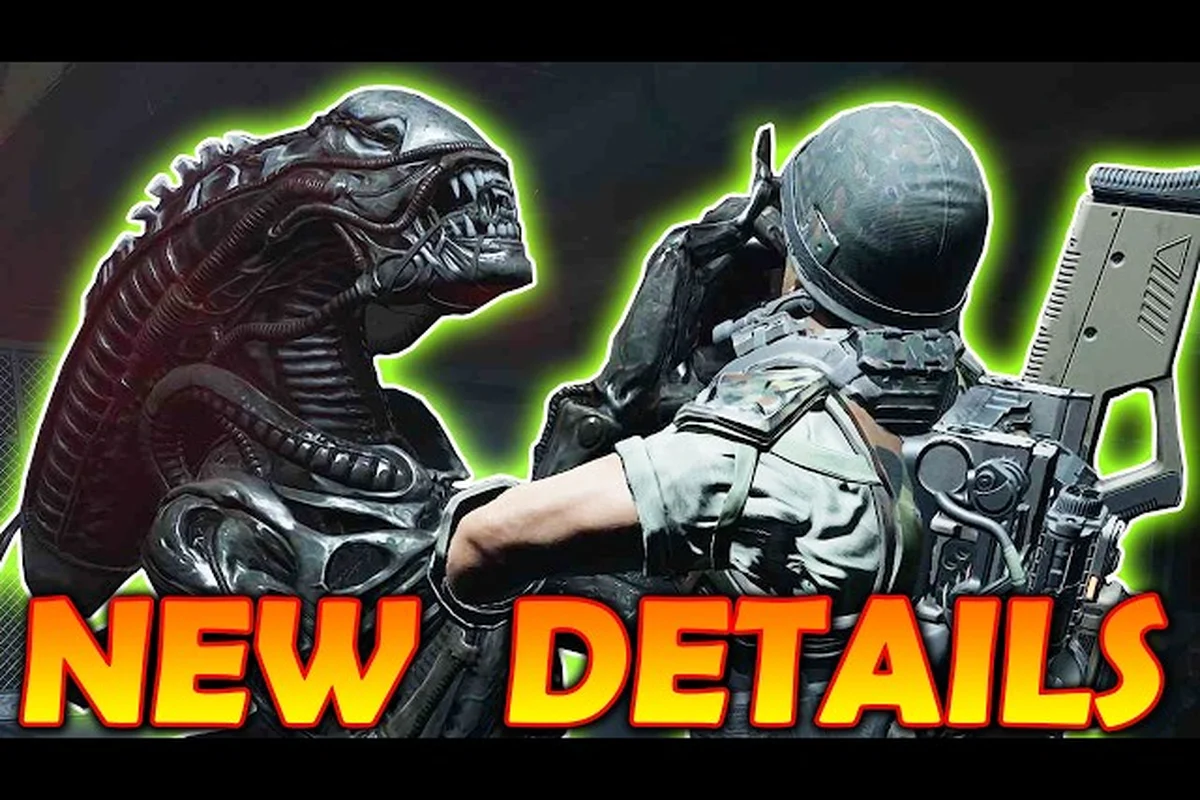
Learning how to build a loadout in Aliens Fireteam Elite 2 is the difference between getting swarmed on Intense and walking through the hive like you own the place. The game launches August 25, 2026 on Steam, Epic, PS5, and Xbox Series X|S for $49.99, bringing four-player co-op across 15 campaign missions set in four distinct biomes, according to the official Steam page. Because the game now supports a full fireteam of four instead of three, your loadout decisions carry more weight than ever before.
This weapon build guide breaks down exactly how to pair your class, augments, and perks into coherent combat identities. We will cover the fundamental framework first, then move into class-specific priorities, augment selection logic, and finally squad composition builds that actually work when crossplay matchmaking throws strangers together.
The Core Framework for Building a Loadout
Every effective loadout in Aliens Fireteam Elite 2 follows the same structural logic, regardless of which of the six USCM classes you choose. You are combining three independent layers: the class kit (abilities and passives), the weapon pair (primary plus secondary), and the augment loadout (modifiers that reshape how those weapons behave). When these layers conflict, your build feels disjointed and underpowered; when they reinforce each other, you punch well above your combat rating.
The most common mistake new fireteams make is treating these layers as separate shopping lists. A Marauder stacking long-range precision augments while carrying a shotgun primary is wasting both investments. Start from the engagement range your class abilities encourage, then build everything else around that identity.
Here is the step-by-step process I recommend for every loadout: First, assess your team composition and the mission type to determine your primary role, whether that's frontline damage, crowd control, or support. Next, select your weapons and attachments to synergize with your class abilities, prioritizing ammo efficiency and reload speed for sustained firefights. Finally, fine-tune your perks and consumables to address specific threats, such as acid-resistant armor for Spitters or extra medkits for extended engagements.
-
Define your role first — determine whether you are the frontline pusher, the crowd-control anchor, or the elite-slayer before touching any menu.
-
Select weapons that match the role — close-range classes want high burst damage; support classes want ammo efficiency and suppression.
-
Choose augments that amplify your weapon's weakness — never stack augments that improve stats you already have in abundance.
-
Sync your perks with your class abilities — the perk tree should accelerate your ability uptime, not patch unrelated gaps.
-
Test against the horde — a loadout that looks good on paper can fail when the Drone screamers start calling reinforcements.
The official site confirms the class lineup includes Marauder, Duelist, Machinist, Hunter, Medic, and Specialist, each with a distinct combat identity. Your loadout is the bridge between that identity and your actual performance in missions across LV-558 and Storr Boon's Mining Facility.
Weapon Pairing Principles That Actually Work
Your weapon pair is the backbone of any loadout, and the way you combine primary and secondary weapons matters more than the individual stats of each gun. The core principle is range coverage: you want a primary that handles your class's preferred engagement distance and a secondary that covers the opposite extreme. If your primary is a close-range shredder, your secondary needs to reach across the map; if your primary is a long-range rifle, your secondary needs to save you when the Runner pack closes the gap.
Primary Weapon Selection by Class
The primary weapon defines your sustained damage output and should align with your class's ability kit. The Marauder excels at aggressive close-to-mid combat, so bulky shotguns or high-fire-rate SMGs feel natural. The Hunter wants precision rifles that reward headshots. Meanwhile, the Machinist benefits from weapons with large magazines that can sustain suppression while the turret does the real damage.
| Class | Best Primary Type | Engagement Range | Ability Synergy |
|---|---|---|---|
| Marauder | Shotgun / SMG | Close (0-15m) | Aggressive push abilities |
| Duelist | Heavy Pistol / SMG | Close-Mid (0-25m) | Rapid repositioning |
| Machinist | Assault Rifle / LMG | Mid (15-40m) | Turret zone control |
| Hunter | Marksman Rifle | Long (30-60m) | Weak-point detection |
| Medic | Assault Rifle / PDW | Mid (10-35m) | Support field coverage |
| Specialist | Battle Rifle / Heavy | Mid-Long (20-50m) | Ability cooldown cycling |
Secondary Weapon as a Safety Net
Your secondary exists to cover the primary's blind spot, and it should never duplicate what the primary already does well. A Marauder carrying a shotgun primary should pick a long-range pistol or DMR as secondary to handle distant targets that would otherwise be unreachable. A Hunter with a marksman rifle primary wants a full-auto SMG or PDW for self-defense when the swarm closes in.
This pairing logic becomes especially critical when you are playing with a full four-player fireteam, because the enemy AI reportedly scales smarter and more aggressively according to PC Gamer's preview coverage of the game. The game director noted the challenge of quadrupling asset and enemy counts while making the AI more responsive to player tactics, which means your secondary weapon is no longer just a backup — it is your survival tool when the plan breaks down.
Augment Selection: The Math Behind the Meta
Augments are where the aliens fireteam elite 2 best augments build discussion gets interesting, because this is where the largest performance swings happen. Each weapon has augment slots that modify specific behaviors, and the choices you make here determine whether a weapon feels surgical or unwieldy. The most important principle is augment stacking discipline: three augments that each provide a small damage boost will outperform one massive boost plus two irrelevant ones.
Augment Priority by Weapon Role
When you are learning how to build a loadout, the augment layer is usually the most confusing because the descriptions do not always make the math obvious. Here is the priority order I use when evaluating any augment for any weapon:
-
Magazine capacity — more rounds before reload equals more uptime, which matters more than raw damage per shot in sustained firefights.
-
Reload speed — a faster reload cycle compounds with magazine capacity to maximize sustained DPS.
-
Weak-point damage — only valuable if you can consistently hit weak points under pressure; if you cannot, this is wasted.
-
Armor penetration — critical against Praetorian and Crusher enemies that shrug off standard rounds.
-
Fire rate — effective only when combined with magazine capacity; a fast-firing weapon that empties in two seconds is a liability.
The aliens fireteam elite 2 top builds all share one trait: they prioritize uptime and consistency over peak burst damage. A build that can sustain fire for twenty seconds beats a build that deals double damage for five seconds and then reloads for three, especially when enemies approach in waves rather than single encounters.
Augment Loadout Framework
| Augment Type | Best For | Avoid When | Example Scenario |
|---|---|---|---|
| Damage Booster | Burst classes | Support roles | Marauder shotgun alpha strike |
| Capacity Extender | Sustained fire | Single-shot weapons | Machinist LMG suppression |
| Reload Accelerator | High-consumption | Low-mag weapons | Medic assault rifle uptime |
| Weak-Point Enhancer | Precision players | Panic situations | Hunter headshot chains |
| Armor Shredder | Heavy enemies | Runner-heavy maps | Specialist elite hunting |
The aliens fireteam elite 2 best augments build changes depending on your class, but the framework above applies universally. Start with the class you plan to play, identify your engagement range, and then select augments that amplify your weapon's natural role. When in doubt, prioritize magazine capacity and reload speed because they improve every combat scenario without requiring perfect aim.
Squad Composition Builds for Every Mode
Team builds matter more in Aliens Fireteam Elite 2 than in the original game because the shift to four-player co-op changes the combat calculus. A three-player team could get away with one dedicated damage dealer, one support, and one flexible slot; a four-player team needs more deliberate squad composition builds to cover all the bases. The crossplay explained guide covers how to party up with friends across platforms, but the composition advice below applies whether you are playing with friends or strangers.
The Balanced Standard Composition
This is the safest squad composition builds approach for random matchmaking, because it covers every combat scenario without requiring heavy coordination. The Marauder pushes forward and draws aggro, the Medic keeps the team upright through sustained fights, the Machinist holds choke points with turret coverage, and the Hunter picks off high-value targets from range.
| Squad Slot | Class | Primary Role | Critical Augment Focus |
|---|---|---|---|
| Frontline | Marauder | Aggro management | Damage + mobility |
| Support | Medic | Healing + utility | Cooldown reduction |
| Anchor | Machinist | Zone control | Capacity + suppression |
| Precision | Hunter | Elite elimination | Weak-point + penetration |
The beauty of this composition is that each player's loadout reinforces the others. The Marauder creates space for the Hunter to line up shots; the Machinist holds the line when the swarm pushes; the Medic ensures nobody runs dry on health during extended engagements. This is the aliens fireteam elite 2 best team builds starting point for most groups.
The Aggressive Speed-Clear Composition
For teams that want to burn through missions quickly, this composition trades safety for raw damage output. The Duelist and Marauder double up as aggressive damage dealers, the Specialist cycles abilities to keep the pressure up, and the Medic takes a more offensive support role with damage-boosting abilities rather than pure healing.
This composition demands more coordination because there is no dedicated anchor to hold positions. The team must move together and eliminate threats before they become problems. Squad composition builds like this one work best on lower difficulties or with experienced players who know the mission layouts and can predict spawn points.
The Defensive Endurance Composition
When you are pushing into the hardest difficulty modes, this composition maximizes survivability over speed. The Machinist and Medic form the core, with the Specialist providing utility support and the Hunter handling long-range threats. This build sacrifices burst damage for sustained pressure and recovery, which is the right tradeoff when enemy density and damage output spike.
According to community reports from the beta testing phase, this defensive approach performs particularly well on the horde mode that the official site confirms is included at launch. The extended waves reward teams that can hold a position indefinitely, and this composition is built precisely for that scenario. The aliens fireteam elite 2 best team builds for horde mode all share this endurance-focused philosophy.
Perk Allocation and Class Ability Synergy
Perks are the final layer of any loadout, and they are the most personal because they reflect how you actually play. The perk tree for each class offers meaningful choices, and the aliens fireteam elite 2 weapon build guide approach to perks is simple: your perks should accelerate your class abilities, not compensate for loadout mistakes. If you need reload speed, change your augments; if you need survivability, change your positioning. Perks are for making your class identity stronger, not for patching holes.
Perk Priority Framework
-
Class ability cooldown reduction — more ability uptime means more of your class's unique contribution to the fight.
-
Ammo economy perks — every reload you skip is damage you keep dealing; this compounds across a full mission.
-
Team utility perks — in a four-player co-op game, perks that help the whole squad outperform perks that only help you.
-
Survivability perks — take only what you need; every perk spent on survival is a perk not spent on killing.
The aliens fireteam elite 2 how to build a loadout process always ends with perk selection, because this is where you adapt the theoretical framework to your actual playstyle. A player who consistently dodges well needs fewer survivability perks; a player who tanks damage needs more. Build the weapon and augment layers first, then use perks to fine-tune the final result.
The Machinist builds, for example, benefit enormously from cooldown reduction because the turret is the class's primary contribution. The Hunter builds want weak-point damage amplification because the class's precision identity is its core strength. The Medic builds need cooldown reduction plus range extension to keep the team covered across the entire battlefield. Each class has its own perk priorities, and the class-specific build guide covers these in detail for each of the six classes.
Advanced Loadout Strategies for Intense Difficulty
Once you have the fundamentals down, the advanced layer of loadout building is about adapting to mission context rather than sticking to a single loadout. The game's 15 missions span four biomes, and each biome presents different enemy mixes and engagement ranges. A loadout that dominates in tight corridor sections will struggle in open areas, and vice versa.
Biome-Specific Adjustments
The LV-558 missions feature tighter corridors and more close-range engagements, which favors shotguns and SMGs. The Storr Boon's Mining Facility mixes open caverns with narrow tunnels, requiring a more balanced approach. Learning which biomes favor which weapon types lets you adjust your loadout before dropping into a mission.
| Biome | Enemy Mix | Recommended Adjustments |
|---|---|---|
| LV-558 | Runner-heavy swarms | Capacity + reload augments |
| Mining Facility | Mixed ranged + melee | Balanced weapon pairing |
| Hive Biomes | Elite-heavy spawns | Armor penetration priority |
| Surface Zones | Long sightlines | Precision + range augments |
The Horde Mode Loadout
Horde mode changes the calculus entirely because you are fighting sustained waves rather than moving through a mission. The aliens fireteam elite 2 top builds for horde mode prioritize ammo economy and capacity above everything else, because you will not be finding resupply points between encounters. The Machinist turret becomes even more valuable as a force multiplier, and the Medic healing becomes the difference between lasting to wave 20 and wiping at wave 10.
Community testing suggests that horde mode rewards defensive, sustained-damage builds over burst-damage builds, because the wave structure punishes reload downtime and repositioning. This is where the augment framework from earlier becomes critical: capacity and reload augments outperform raw damage in this mode.
Frequently Asked Questions
How do I build a loadout in Aliens Fireteam Elite 2?
Start by defining your role based on your class, then select weapons that match your engagement range. Add augments that amplify your weapon's natural strengths, and finish with perks that accelerate your class abilities. Test the loadout against the horde and adjust based on performance rather than theory.
What are the best augments for a beginner build?
Magazine capacity and reload speed augments are the safest choices for beginners because they improve every combat scenario without requiring perfect aim. These augments maximize sustained damage output, which matters more than peak burst damage when you are still learning enemy patterns and positioning.
How do squad composition builds differ from individual loadouts?
Squad composition builds focus on how your loadout interacts with your teammates' loadouts, ensuring every combat scenario is covered. A balanced team has one frontline, one support, one anchor, and one precision role. Individual loadouts optimize your personal performance; squad builds optimize the team's combined effectiveness.
Does the weapon pairing matter for team builds?
Yes, weapon pairing matters even more in team builds because your secondary weapon covers your primary's weakness, which creates gaps in team coverage. A team with four close-range primaries will struggle against distant targets; a team with balanced range coverage handles every engagement type effectively.
Can I use the same loadout for every mission?
You can, but you’ll perform better tailoring it per biome and enemy mix. Tight corridors favor shotguns and CQ perks, while open maps reward marksman rifles and range mods. The “aliens fireteam elite 2 how to build a loadout” loop means swapping augments between missions—not just weapons—to counter acid spitters or drone swarms.